

Common Electrical Code Violations and How to Avoid Them: Essential Safety and Inspection Tips
By Lewis Carter, Honest Hank’s Electrician
Electrical code violations can pose significant risks in residential and commercial settings, leading to safety hazards and costly repairs. Understanding common electrical code violations is essential for ensuring compliance with safety standards. This article will explore prevalent violations, their implications, and effective identification methods for both homeowners and businesses. Additionally, we will discuss how to engage professionals when necessary and what specific electrical code issues may arise in the Tampa Bay area. By honing in on these critical areas, individuals can safeguard their properties and enhance electrical safety. For reliable solutions and expert guidance in the Tampa Bay area, consider the services offered by Honest Hank’s Electrician.
Identifying and Preventing Electrical Code Violations
Electrical code violations often stem from inadequate knowledge of current safety standards and practices. Commonly encountered violations include improper grounding, incorrect breaker sizes, and outdated wiring. These issues can lead to electrical fires, equipment failures, and a lack of reliable power supply, compromising safety and functionality.
- Improper Grounding: A substantial risk arises from insufficient grounding, which can lead to electric shock or equipment damage.
- Incorrect Breaker Sizes: Using the wrong breaker size can cause either tripped circuits or fire hazards due to overload.
- Outdated Wiring: Aging wiring can become a fire risk and must be inspected and replaced to meet modern code requirements.
Understanding these violations is the first step toward rectifying potential hazards, and regular inspections are crucial in maintaining compliance. When addressing potential issues, ensuring all work strictly adheres to the National Electrical Code (NEC) is paramount for safety.
How Can Homeowners and Businesses Perform Effective Electrical Safety Inspections?

Conducting effective electrical safety inspections helps identify code violations early, reducing risk and ensuring compliance. Homeowners and businesses alike should regularly evaluate their electrical systems, looking for signs of wear and deficiencies. Key points in this process include:
- Key Inspection Points: Regularly check for frayed wiring, exposed connections, and outdated components.
- Frequency of Inspections: Annual inspections are recommended to maintain safety and compliance.
- Common Signs of Issues: Flickering lights, frequent tripping of breakers, and unusual smells are red flags.
By being proactive in their inspections, property owners can address deficiencies before they develop into significant problems, ensuring electrical systems operate safely and efficiently. If you’re in the Tampa Bay area and need professional assistance, Honest Hank’s Electrician offers comprehensive electrical inspection services.
Honest Hank’s Electrician offers comprehensive electrical inspection services tailored to meet the needs of Tampa Bay residents and businesses, providing free estimates to help you address any potential compliance issues.
What Are the Key Steps in a Residential Electrical Code Inspection?
A residential electrical code inspection typically involves a thorough examination of various components within the electrical system. The process is essential for ensuring compliance with local safety standards. Key steps in this inspection include:
- Wiring Assessment: Inspecting wiring for signs of wear, damage, or poor installations.
- Grounding Verification: Checking grounding systems to ensure they meet current safety standards.
- Circuit Breaker Testing: Evaluating circuit breakers for correct size and operation.
These essential steps can help flag significant issues in a residential electrical system, allowing for timely corrections and compliance with safety codes. Understanding each step is crucial for homeowners aiming to maintain a safe electrical environment.
What Tampa Bay-Specific NEC Amendments Should You Know?
In the Tampa Bay area, specific amendments to the National Electrical Code (NEC) address local hazards and conditions that could affect electrical safety. Familiarity with these amendments is critical for compliance and safety.
- Local Climate Considerations: Amendments may be in place to accommodate humidity and storm conditions.
- Enhanced Grounding Requirements: Specific installations may have stricter grounding standards due to local soil conditions.
- Load Calculations: Tampa Bay may require unique load calculations due to the region’s growth and demand on electrical systems.
Staying updated on these amendments helps ensure compliance with local safety standards and prevents code violations, enhancing overall electrical safety. Consult local building codes for precise requirements.
How Does Honest Hank’s Electrical Service Help Resolve Tampa Bay Code Issues?
Honest Hank’s Electrician is committed to assisting Tampa Bay residents and businesses in navigating local electrical code requirements. Our team of licensed electricians is well-acquainted with both state amendments and local practices. By providing professional evaluations and tailored services, we ensure that compliance concerns are addressed effectively. When faced with complex code issues, expert intervention is invaluable.
What Are Effective Strategies to Fix and Prevent Electrical Code Violations?
Addressing and preventing electrical code violations require a strategic approach. Here are some effective strategies to enhance safety and compliance:
- Regular Training and Updates: Keep homeowners and employees informed about safety standards.
- Adopting Advanced Technologies: Using smart electrical systems can help monitor usage and issues in real time.
- Engaging Licensed Professionals: Regularly consult with licensed electricians for thorough inspections and necessary updates.
Incorporating these strategies can significantly reduce the risks associated with electrical code violations, promoting a safer environment for all. Proactive maintenance is key to long-term electrical safety.
How Do Smart Electrical Upgrades Meet Current NEC Safety Standards?
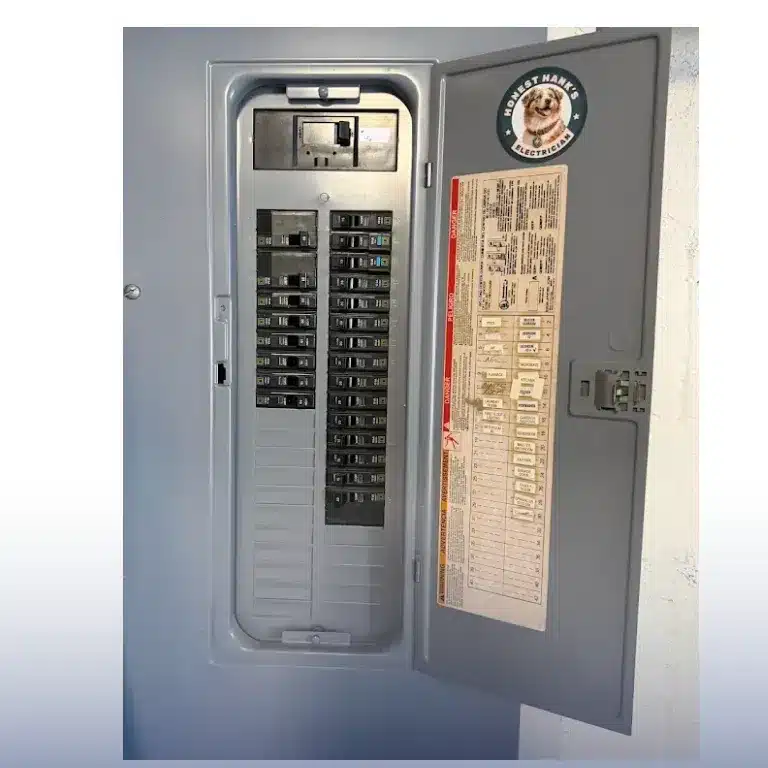
Incorporating smart electrical upgrades can ensure compliance with current NEC safety standards while providing enhanced functionality and control. Benefits of upgrading include:
- Enhanced Energy Efficiency: Smart systems monitor energy use and help identify inefficiencies.
- Automated Safety Features: Smart breakers can provide real-time alerts for faults or overloads, improving safety.
- Remote Monitoring Capabilities: Home and business owners can monitor their electrical systems remotely, allowing for quick response to potential issues.
These advancements not only comply with safety standards but also contribute to a more efficient and manageable electrical infrastructure. Embracing smart technology is a forward-thinking approach to electrical safety.
What Are the Steps to Take After Failing an Electrical Inspection?
Failing an electrical inspection can be daunting, but it is essential to take proactive steps to rectify the issues. Critical steps to address after a failed inspection include:
- Review the Inspector’s Report: Understanding the specific violations noted will guide necessary corrections.
- Consult a Licensed Electrician: Engaging a professional can provide insights into how to promptly resolve issues.
- Plan for Re-inspection: Set a timeline for completing required modifications and ensure they are addressed quickly.
By following these steps, property owners can rectify violations effectively and ensure compliance, aiming for a successful re-inspection. Swift action is often required to meet regulatory deadlines.
