

10 Signs Your Electrical System Needs a Code Upgrade
By Lewis Carter, Honest Hank’s Electrician
As a homeowner, understanding the electrical code requirements for your property is essential for maintaining safety and compliance. Electrical codes are established to ensure that all electrical installations provide safety and function effectively, minimizing risks of electrical fires, shocks, and other hazards. This guide will provide an in-depth exploration of the signs that indicate your home’s electrical code might need an upgrade, ensuring you keep your family safe and your property compliant.
The importance of adhering to the latest electrical standards cannot be overstated, and many homeowners may not be aware of the subtle indicators that suggest their systems are outdated. In this article, we will break down the key electrical code requirements, the signs that indicate your home may need an electrical upgrade, and how to identify these signs through inspections. We will also touch on the benefits of electrical upgrades and when to consider contacting Honest Hanks Electrician for a free estimate.
What Are the Key Electrical Code Requirements Homeowners Should Know?
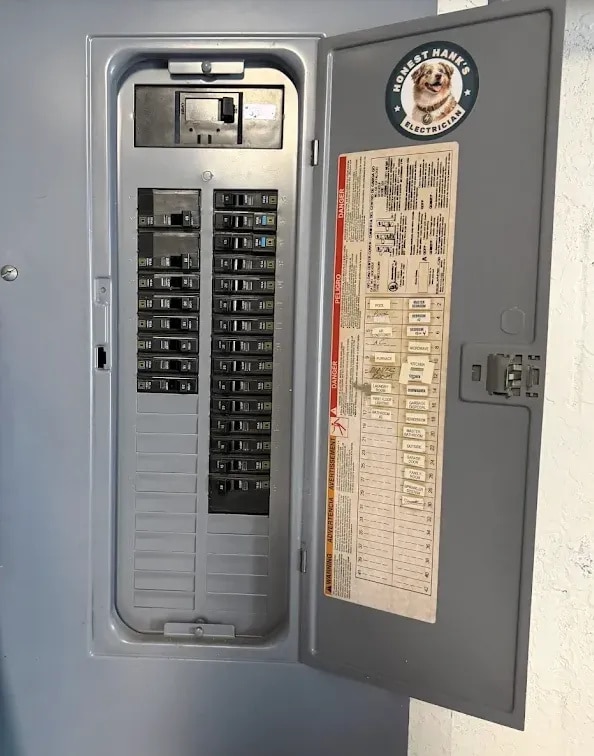
Electrical codes set the minimum safety standards for electrical installations and dictate how electrical systems should be designed and maintained. Key areas include proper grounding, circuit protection through breakers, wiring standards, and adherence to local regulations. Compliance with these codes ensures the safety of both residents and first responders in emergency situations.
Failing to adhere to these standards can lead to significant risks, including fires, electrocution, and increased insurance costs. Homeowners should familiarize themselves with their local regulations, knowing that these codes can vary significantly based on location. Understanding these key requirements is the first step in recognizing the need for an upgrade.
How Do Local Tampa Bay Electrical Codes Impact Your Home Safety?
Local electrical codes in Tampa Bay are designed to address specific environmental and safety concerns relevant to the region, focusing on the unique challenges posed by Florida’s weather and infrastructure. National electrical codes provide a foundation, while local codes address additional concerns such as flood zones and hurricane resistance.
Failure to comply with local codes may result not only in safety hazards but also in legal implications, such as fines or difficulties in selling your home in the future. Homeowners must stay informed about amendments to these codes to ensure their home remains compliant and safe.
Why Is Compliance With the Latest Electrical Codes Critical for Your Property?
Adhering to the latest electrical codes is crucial for several reasons. Firstly, legal implications arise when properties do not meet established safety standards, potentially resulting in fines or liability if an accident occurs. Additionally, non-compliance can increase the risk of electrical fires and injuries, threatening the safety of your home and its occupants.
Moreover, compliance can enhance the value of your property. Homes that meet current codes may command higher market prices and ensure smoother transactions when selling. By upgrading your home’s electrical system, you’re making a proactive investment in safety, compliance, and property value.
Which 10 Signs Indicate Your Home Needs an Electrical Code Upgrade?
Recognizing the signs of an outdated electrical system is vital to maintaining a safe home. Below are ten indicators that your home may require an electrical code upgrade:
- Frequent Breaker Trips: Circuit breakers that trip often may indicate that your system is overloaded or outdated.
- Burning Smells or Warm Panels: This could signify overheating circuits, which pose serious fire risks.
- Flickering or Dimming Lights: This may suggest inadequate wiring or circuits not able to handle your electrical load.
- Old or Unfamiliar Wiring: Knob-and-tube wiring, common in homes built before the 1950s, does not meet today’s safety standards.
- GFCI Outlets Not Installed: These outlets are critical in areas prone to moisture, such as kitchens and bathrooms.
- Assorted Outlet Types: An array of outlet types may indicate haphazard installations that do not follow code.
- Inadequate Outlets: A lack of outlets can lead to overloading circuits with power strips and extension cords.
- Inconsistent Voltage: If you notice significant voltage variations, this can indicate dangerous conditions within your electrical system.
- Increased Electric Bills: Unexplained spikes can suggest an inefficient or deteriorating electrical system.
- Age of the System: If your electrical system is over 25 years old, it may not comply with current safety codes.
What Common Electrical Panel Upgrade Indicators Should Homeowners Watch For?
Homeowners should be alert for specific indicators that the electrical panel needs an upgrade. Presence of insufficient breaker space or signs of physical wear on the panel itself can be alarming. Additionally, systems that struggle to power modern devices indicate that the panel capacity may not meet current demands.
How Can Faulty or Outdated Wiring Reveal Electrical Code Update Needs?
Faulty wiring poses significant risks, including fire hazards. Signs such as frayed wires, improper grounding, or outdated materials are clear indicators that an electrical upgrade is necessary. Frequent breaker tripping linked to wiring issues should not be ignored, as these can lead to larger safety concerns.
How Does a Professional Home Electrical Safety Inspection Identify Code Upgrade Needs?

A professional home electrical safety inspection is vital for identifying code update needs. This thorough inspection includes assessing wiring integrity, checking grounding systems, and verifying that installations comply with current standards.
The technician will document any findings, highlighting areas that require immediate attention. Regular inspections ensure that your home remains safe and compliant with local codes, reducing the risk of accidents and ensuring peace of mind.
How Will Upgrading Your Electrical System Improve Safety and Compliance?
Upgrading your electrical system enhances safety by incorporating modern technology designed to handle the electrical demands of today’s homes. Improved safety measures can prevent electrical fires, reduce the likelihood of shocks, and enhance overall efficiency. Compliance with updated codes provides assurance to homeowners, knowing their residences adhere to the latest safety standards.
Moreover, a modern electrical system can allow for better energy efficiency, which can reduce utility bills and improve the environmental footprint of your home. These upgrades are not just about safety—they also represent a forward-thinking investment into your property’s future.
What Benefits Do Electrical Panel and Wiring Code Upgrades Provide?
Upgrading electrical panels and wiring provides many benefits, including:
| Service | Benefit | Value |
|---|---|---|
| Electrical Panel Upgrade | Improved capacity and safety | High |
| Wiring Update | Enhanced efficiency and reliability | Medium |
| GFCI Installation | Increased safety in wet areas | High |
Investing in these upgrades can lead to long-term cost savings through improved energy efficiency and reduced risk of electrical failure.
When Should You Consider Scheduling a Free Estimate With Honest Hanks Electrician?
Homeowners should consider scheduling a free estimate with Honest Hanks Electrician when they notice any risk factors or signs of electrical code non-compliance. Prompt assessments can prevent minor issues from escalating into major problems. If your home shows any three or more indicators from the provided list, it’s time to consult a professional.
Honest Hanks Electrician specializes in residential and commercial electrical services, making them a trusted choice for navigating local electrical codes. Their expertise in Tampa Bay’s unique electrical requirements ensures your electrical system will be safe, compliant, and efficient.
